How to design a living room that encourages connection instead of screen time


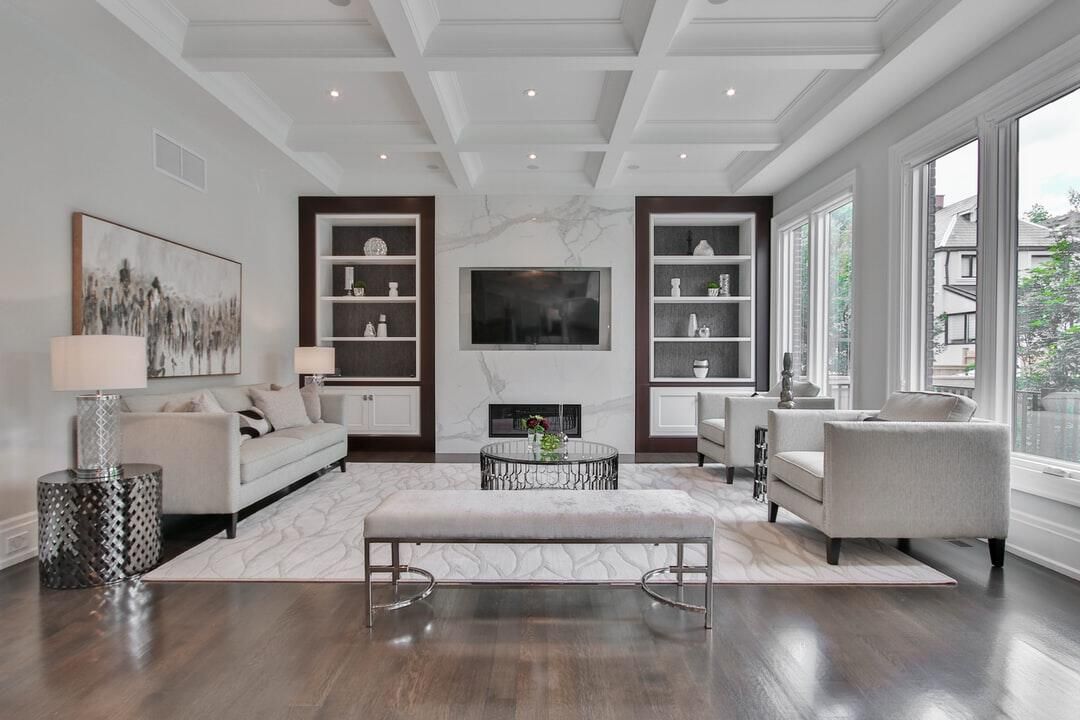
A living room designed for connection uses seating arrangement, focal points beyond the TV, comfortable textures, and warm lighting to naturally reduce screen time and encourage conversation.
Did you know Americans spend an average of 5.5 hours a day watching TV or video content, according to S&P Global Market Intelligence?
That’s more waking hours than most people spend talking to the person sitting next to them!
A living room built entirely around a screen makes that pattern easy to fall into and hard to break. Rearranging the space, not removing the TV, can go a long way toward encouraging family interaction.
Furniture Layout Shapes How People Interact
The typical living room layout points every chair toward the TV. This arrangement quietly discourages eye contact and conversation.
Angling seating toward each other, even slightly, changes the room’s default activity, and a sofa and two chairs arranged in an L or U shape invite conversation the way a straight row facing a screen never does.
Positioning it off to the side rather than dead center keeps it available without making it the room’s obvious focal point.
The TV Doesn’t Have to Be the Focal Point
Every room has a natural focal point, the spot eyes land on first. In many living rooms, that’s a screen by default rather than a deliberate choice.
Building the layout around something other than the TV changes what the room feels designed for. A fireplace, a piece of art, or a window with a good view all work as alternatives.
A well-styled bookshelf also pulls attention in a way a blank TV screen doesn’t.
Comfortable, Grounded Seating Invites People to Stay
A room people rush out of doesn’t build much connection, no matter how the furniture is arranged. A few details can make a space feel worth lingering in:
- Deep, comfortable seating instead of stiff, formal furniture
- Soft textiles like throw pillows and blankets within reach
- Enough room to sit close without feeling cramped
Choosing nice carpets for the space adds warmth underfoot. You can buy luxury carpets here to give the room a finished, comfortable feel that encourages people to settle in rather than pass through. You can
Games, Books, and Analog Activities Belong in the Room
A room full of screens signals one activity, while a room with visible alternatives signals options. A stack of board games, a shelf of books within reach, or a small puzzle left out on a table quietly invites a different kind of evening.
People are more likely to reach for something when it’s visible and easy to start.
Lighting Sets the Tone for Conversation
Harsh overhead lighting works for cleaning, not for connecting. Bright, single-source light tends to flatten a room and keep everyone facing forward.
Layered lighting changes the mood, with a floor lamp in one corner, a table lamp near the seating, and dimmed overheads creating a cozy atmosphere that invites conversation.
The Right Living Room Design Can Help Reduce Screen Time
The right layout, lighting, and small touches can help reduce screen time by turning a screen-centered room into one built around actual conversation. These changes don’t require giving up the TV entirely, just rethinking what the room is designed to encourage.
Explore the Praise Indy website for more home and lifestyle inspiration.